How to Care for a Human Hair Wig | Voretrade
May 22, 2026 · Marcus Vore
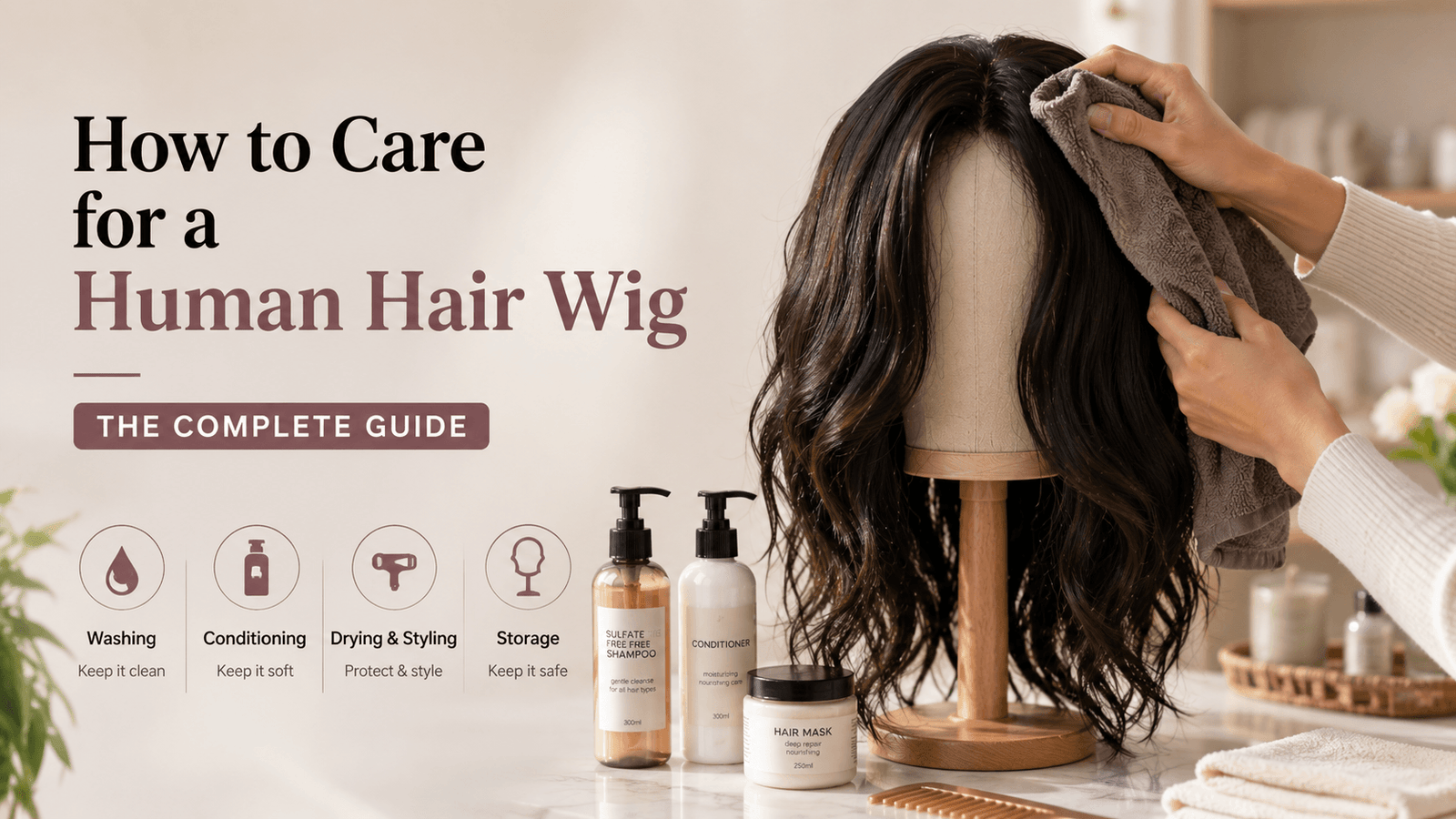
Proper care extends a human hair wig's usable lifespan from 6 months to 2-3 years. The difference between a wig that tangles after three weeks and one that stays soft for 18 months comes down to daily habits, washing technique, and storage. This guide covers everything you need to know about how to care for a human hair wig, whether you wear wigs yourself or sell them to customers who need clear maintenance instructions.
Key Takeaways - A well-maintained virgin hair wig lasts 12-36 months; poor care cuts that to under 6 months - Wash every 7-14 wears (not days) using sulfate-free shampoo and lukewarm water at 30-35°C - Hair grade determines care intensity: virgin cuticle-aligned hair needs less work than processed hair - Store on a wig stand in a cool, dry place; never stuff a wig in a drawer or plastic bag - For resellers: including care instructions with orders reduces returns and builds customer trust
Why wig care determines your return on investment
A quality human hair wig costs $45-200+ at wholesale and $120-500+ at retail. That investment only pays off if the wig performs for its full potential lifespan.
Here's what we see across our buyer base: the number one reason customers contact sellers with complaints isn't manufacturing defects. It's care failures. Tangling after first wash. Shedding that accelerates within weeks. Dryness that makes a $300 wig look like a $30 one.
When Amara, a salon owner in Atlanta, first started stocking human hair wigs, she faced a 22% return rate in her first quarter. The wigs weren't defective. Her customers were washing them with regular shampoo, sleeping in them, and storing them in bathroom drawers. Once she started including a printed care card with every purchase and doing a 2-minute care walkthrough at point of sale, her return rate dropped to 7% within two months.
The math is simple: proper care protects the buyer's investment and the seller's reputation.
Need help sourcing wigs that are easier to maintain from the start? Message us on WhatsApp to discuss hair grades and quality options.
How hair grade affects care requirements
Not all human hair wigs need the same level of maintenance. The grade of hair used in manufacturing directly determines how much work you'll need to put in.
Virgin hair (cuticle-aligned)
Virgin hair has never been chemically processed. The cuticles all run in the same direction, root to tip. This natural alignment prevents tangling at the fiber level, which means less detangling, less product buildup, and longer intervals between washes.
Care level: Low to moderate. Virgin hair is the most forgiving. It responds well to basic maintenance and recovers from styling damage better than processed alternatives. This includes lace front wigs made with virgin hair, which need minimal intervention at the hairline.
Remy hair (cuticle-intact, processed)
Remy hair maintains cuticle alignment but has been chemically treated for color or texture. The processing weakens the hair structure slightly, making it more susceptible to dryness and environmental damage.
Care level: Moderate. Needs regular deep conditioning and more careful heat management than virgin hair.
Non-remy or heavily processed hair
This hair has been acid-bathed to strip cuticles, then coated with silicone to simulate smoothness. The coating wears off after 3-5 washes, revealing the true (often rough) texture underneath.
Care level: High. Requires frequent conditioning, gentle handling, and realistic expectations about lifespan (typically 3-6 months regardless of care).
The takeaway for buyers: if you're sourcing wigs for resale, starting with higher-grade hair means your customers need less maintenance knowledge to keep the wig looking good. That translates directly to fewer complaints and returns. Learn more about how to find reliable suppliers who accurately represent their hair grades.
How to wash a human hair wig: the complete routine
Washing is where most care mistakes happen. The technique matters more than the products. Knowing how to wash a human hair wig correctly is the single most impactful skill for extending its lifespan.
What you need
- Sulfate-free shampoo (sulfates strip natural oils and damage cuticles)
- Moisturizing conditioner or deep conditioning mask
- Wide-tooth comb or wig brush
- Wig stand or mannequin head
- Clean basin or sink
- Cool to lukewarm water (30-35°C)
- Microfiber towel or old t-shirt (not terry cloth)
Step 1: Detangle before water touches the hair
Start from the ends and work upward with a wide-tooth comb. Hold the hair near the base while combing to avoid pulling on the cap or lace. Never start detangling from the roots. This single step prevents 80% of washing-related tangling.
For curly and deep wave textures, use your fingers instead of a comb. Body wave and straight textures can handle a wide-tooth comb, but curly wigs lose their pattern when combed dry.
Step 2: Rinse with lukewarm water
Water temperature matters. Hot water opens the cuticle and strips moisture. Cold water doesn't clean effectively. Lukewarm (30-35°C) is the target. Run water through the hair in one direction, following the natural fall of the strands.
Step 3: Shampoo with the right technique
Apply a small amount of sulfate-free shampoo to your palms. Distribute through the hair in a downward motion, root to tip. Never scrub, twist, or bunch the hair. Think of it as smoothing, not scrubbing. Focus on the cap area where oils and product accumulate.
Step 4: Condition from mid-length to ends
Apply conditioner from the mid-shaft down to the tips. Avoid the roots and especially the lace or cap area, where conditioner can loosen knots and cause shedding. Leave for 3-5 minutes (or longer for deep conditioning treatments). Rinse thoroughly with cool water to seal the cuticle.
Step 5: Dry gently
Wrap the wig in a microfiber towel and press gently to absorb excess water. Never wring, twist, or rub. Place on a wig stand and allow to air dry completely. If you must use heat, keep the blow dryer on the lowest setting and maintain 15cm distance from the hair. Always use a heat protectant spray.
Daily and weekly wig care routine
Consistency matters more than intensity. A simple daily routine prevents the buildup of problems that require aggressive intervention later.
Daily care (2 minutes)
- Finger-detangle gently before and after wearing
- Light mist of leave-in conditioner on dry or frizzy areas
- Place on a wig stand when not wearing (never toss on a table or stuff in a bag)
- If wearing daily, rotate between two wigs to give each one rest days
Weekly care (10 minutes)
- Thorough detangling session with a wide-tooth comb
- Check the lace and cap for any loose knots or damage
- Refresh styling if needed (low heat, always with protectant)
- Spot-clean the cap interior if needed with a damp cloth
Monthly care (30 minutes)
- Full wash and deep conditioning treatment
- Inspect overall condition: check for excessive shedding, dryness, or texture changes
- Assess whether the wig needs professional restoration or is approaching end of life
- Clean and sanitize your wig stand
Daniel, an e-commerce seller in London, tracks his wig inventory lifespan data. His units that ship with a care schedule card (daily/weekly/monthly breakdown) get 40% fewer "quality complaint" messages than identical units shipped without instructions. Same product, same factory, same hair grade. The only difference is whether the customer knows how to maintain it.
How to store wigs properly
Storage is the most overlooked aspect of wig care. Poor storage causes more preventable damage than poor washing technique.
Short-term storage (between wears)
Place the wig on a wig stand or mannequin head that matches the cap size. This maintains the shape of the cap and prevents the hair from tangling or creasing. Cover loosely with a silk or satin scarf to protect from dust without flattening the style.
Keep the stand in a cool, dry area away from direct sunlight. UV exposure fades color and dries out the hair fiber over time.
Long-term storage (inventory or seasonal)
For wigs you won't wear for weeks or months:
- Wash and fully dry the wig before storing
- Detangle completely
- Place in a silk or satin bag, or in the original box with tissue paper
- Add a silica gel packet to control humidity
- Store in a cool, dark, dry location
For business owners storing inventory: keep your stock in climate-controlled space. Temperature fluctuations and humidity cause cumulative damage even to unworn wigs. A storage room that gets hot in summer can degrade 20+ units of inventory silently.
If you're importing wigs in bulk, proper storage starts before the product even arrives. Review our complete guide to shipping from China to understand transit conditions and packaging requirements that protect your inventory during transport.
Storage mistakes that destroy wigs
- Stuffing in a drawer or plastic bag: Causes tangling, creasing, and traps moisture that leads to mildew
- Leaving on a bathroom counter: Humidity from showers damages the hair and can warp lace
- Direct sunlight exposure: Fades color within weeks, dries out the fiber
- Storing while damp: Creates mold and mildew, produces odor that's nearly impossible to remove
Troubleshooting common wig problems
Understanding why problems happen helps you fix them and prevent recurrence.
Tangling and matting
Why it happens: Friction (especially at the nape), dryness that causes cuticles to catch on each other, sleeping in the wig, or cuticle damage from heat or chemical exposure.
How to fix it: Saturate the tangled area with a detangling spray or diluted conditioner. Let it sit for 5 minutes. Starting from the very bottom of the tangle, work through with your fingers first, then a wide-tooth comb. Never pull through a tangle from the top.
Prevention: Regular conditioning, silk pillowcase if sleeping in the wig (though removing it is better), and keeping the nape area moisturized.
Shedding
Why it happens: Normal shedding is 3-5 hairs per brushing session. Excessive shedding means the knots securing hair to the cap are loosening, often from rough handling, conditioner on the roots, or natural wear over time.
How to fix it: Apply a knot sealer to the inside of the cap where shedding is worst. Hold hair near the base while brushing to reduce tension on knots. Switch to finger-combing instead of brush detangling.
When it means replacement: If shedding continues heavily after sealing and gentle handling, the wig is approaching end of life. For virgin hair wigs, this typically happens after 12-18 months of daily wear.
Dryness and frizz
Why it happens: Unlike hair growing from your scalp, wig hair receives no natural oils. Every wash strips existing moisture. Environmental factors like low humidity, wind, and sun exposure accelerate drying.
How to fix it: Deep condition for 15-30 minutes once per week. Use a leave-in conditioner daily. For severely dry wigs, apply a small amount of argan oil or coconut oil to the ends (avoid roots and lace).
Prevention: Don't over-wash. Every 7-14 wears is sufficient for most situations. Use lukewarm water, never hot. Avoid alcohol-based styling products that strip moisture.
Wig care products: what works and what to avoid
Products to use
| Product | Purpose | What to look for |
|---|---|---|
| Sulfate-free shampoo | Cleansing without stripping | No sodium lauryl sulfate, no sodium laureth sulfate |
| Moisturizing conditioner | Hydration and detangling | Lightweight, silicone-free preferred for long-term use |
| Leave-in conditioner | Daily moisture and protection | Spray format for easy application, lightweight formula |
| Wide-tooth comb | Detangling | Seamless teeth (no mold lines that snag hair) |
| Heat protectant | Styling protection | Rated to 230°C minimum |
| Wig stand | Storage and drying | Matches cap circumference, stable base |
Products to avoid
- Regular shampoo (contains sulfates that strip cuticles and accelerate dryness)
- Heavy oils and butters (weigh down the hair, attract dust, clog the cap)
- Alcohol-based sprays (dry out the fiber rapidly)
- Dry shampoo (builds up on the cap and is difficult to remove completely)
- Super glue or household adhesives for lace (damages lace permanently; use proper lace glue)
For business owners: wig care as customer service
If you sell wigs, your customer's care routine directly affects your business metrics. A customer who ruins a wig through poor care blames the product, not their technique. That means negative reviews, returns, and lost repeat business.
What to include with every order
A simple care card covers: - Washing frequency (every 7-14 wears) - Water temperature (lukewarm, never hot) - Products to use and avoid (sulfate-free shampoo, no regular shampoo) - Storage instructions (wig stand, cool dry place) - One clear "don't" (never sleep in it without protection)
Keep it to one page. Customers won't read a manual, but they'll glance at a card.
How care education reduces returns
According to what we observe across our buyer network, sellers who include care instructions see 15-25% fewer "quality" returns. Most of these returns aren't quality failures at all. They're care failures that the customer attributes to the product.
Investing 5 minutes in customer education at point of sale (or a printed card in the shipping box) pays for itself many times over in reduced return processing costs and preserved customer relationships.
Want to discuss sourcing wigs with quality that's easier for your customers to maintain? Reach out to our team to talk about hair grades and construction options for your market. You can also browse our current wig products to see what's available.
Frequently asked questions
How often should I wash my human hair wig?
Every 7-14 wears is the standard recommendation, consistent with guidance from the Cleveland Clinic's wig care specialists. If you wear the wig daily, that means washing roughly every 1-2 weeks. If you wear it occasionally, you can go longer between washes. Factors that increase wash frequency: heavy product use, sweating, exposure to smoke or cooking odors.
Can I use regular shampoo on a human hair wig?
No. Regular shampoo contains sulfates that strip moisture from the hair fiber. Since wig hair doesn't receive natural oils from a scalp, sulfate damage is permanent and cumulative. Always use sulfate-free shampoo formulated for human hair or color-treated hair.
How long does a human hair wig last with proper care?
Virgin hair wigs last 12-36 months with proper care. Remy hair wigs typically last 6-18 months. The global hair wig market, valued at USD 2.78 billion in 2026, continues growing partly because consumers are learning that quality wigs are long-term investments when maintained correctly.
Can I sleep in my human hair wig?
It's not recommended. Sleeping creates friction that tangles and mats the hair, especially at the nape. If you must sleep in a wig, braid the hair loosely, wrap in a silk or satin scarf, and use a silk pillowcase. Even with precautions, sleeping in a wig reduces its lifespan significantly.
How do I fix a wig that's badly tangled?
Saturate the tangled section with a mixture of water and conditioner (3:1 ratio). Let it sit for 10-15 minutes to soften. Work through the tangle from the bottom up using your fingers first, then a wide-tooth comb. For severe matting, apply a generous amount of coconut oil, wrap in plastic, and leave for 1-2 hours before attempting to detangle.
Does hair density affect how I care for my wig?
Higher density wigs (180-200%) require more product per wash and take longer to dry. They're also heavier, which means more tension on the cap during wear. Adjust your conditioner quantity upward for high-density wigs, and allow extra drying time to prevent mildew from trapped moisture.
Start with quality, maintain with care
The best wig care routine in the world can't save a poorly made wig. And the highest-quality wig won't survive neglect. Both matter. Understanding how to care for a human hair wig is half the equation; the other half is starting with quality hair.
If you're sourcing wigs for your business, start with hair grade and construction quality. Virgin cuticle-aligned hair from a verified supplier gives your customers the best starting point for long-term wear. Learn more about our quality verification process and how we ensure every order meets documented standards. Then equip your customers with clear care instructions so they get the full lifespan out of their purchase.
The result: satisfied customers, fewer returns, positive reviews, and repeat orders.
Ready to source quality human hair wigs that your customers can maintain easily? Tell us your target market and specifications.
- WhatsApp: +86 17347350405 (fastest response)
- Email: hello@voretrade.com
No commitment needed. Let's talk about what works for your market.